Exactly How Does Residential Interior Design Turn a Property toward a Home That Demonstrates Individuality and Useful Functionality?
A residence is more than simply 4 walls and a roofing— it is a space where individuals produce memories, look for convenience, and reveal their one-of-a-kind identities. Residential interior decoration plays an essential function in changing a residence into a home that really feels warm, welcoming, and tailored to the requirements of its passengers. It is not just about appearances but also regarding producing a space that improves the lifestyle for those who reside in it. Via a mix of creativity, technological knowledge, and an understanding of human habits, interior developers shape domestic spaces in ways that balance charm with practicality.
The significance of residential interior design hinges on personalization. Every person or family has particular preferences, routines, and preferences, and a properly designed home must show these elements. Interior developers work closely with property owners to recognize their lifestyles, rate of interests, and needs prior to creating a style strategy. Some people prefer a minimal visual with tidy lines and neutral shades, while others prefer a more diverse method with strong patterns and a mix of structures. A designer's function is to bring these visions to life while making certain that the space remains functional and natural.
Space planning is one of the most important aspects of residential interior design. A well-planned home does not just look great; it also makes daily activities more effective and satisfying. Designers very carefully take into consideration how each room will certainly be utilized and just how the format can promote movement and interaction. In an open-concept space, as an example, designers need to ensure that the cooking area, dining, and seating areas are organized in such a way that enables very easy interaction while preserving a feeling of meaning in between various zones. In smaller sized homes or houses, room optimization ends up being even more critical. Inside designers use creative solutions such as multifunctional furniture, built-in storage, and clever format designs to make the most of the use of available area without making it feel confined.
Shade option is another powerful tool in residential interior design. Shades have the capacity to affect state of mind and assumption, making them a basic aspect in creating the desired atmosphere within a home. Soft, neutral tones can create a soothing and stylish environment, which is optimal for bedrooms and living rooms meant for leisure. On the other hand, lively hues such as deep blues, rich greens, or cozy reds can include personality and power to a room. Developers carefully pick shade combinations that not only enhance the property owner's choices yet additionally enhance the all-natural lighting and architectural attributes of the home.
Furnishings selection and plan contribute substantially to the overall convenience and performance of a home. Every piece of furniture need to serve an objective while complementing the layout style of the space. Inside designers consider variables such as proportion, range, and material when picking furnishings pieces. A well-designed living-room, for instance, should have seating that encourages conversation while likewise providing adequate room for activity. Bed rooms need to be arranged in a manner that promotes leisure, with thoroughly chosen bed frameworks, night tables, and lighting that improve convenience.
Lighting is another vital facet of residential interior decoration, as it influences the atmosphere, mood, and functionality of an area. Interior designers purposefully plan lighting to highlight essential style elements while making certain enough illumination for different tasks. Natural light is highly valued in domestic layout, as it enhances the general ambience and creates a connection between interior and outside rooms. Developers often incorporate huge windows, glass doors, and skylights to optimize all-natural light. Man-made lights, including ambient, job, and accent lights, is made use of to enhance natural light and supply added lighting where required. Cozy lighting in living areas and bed rooms produces a relaxing environment, while brighter lighting in kitchen areas and work areas makes certain performance.
Beyond aesthetics and functionality, residential interior design additionally contributes in boosting health. The setup of furnishings, the choice of shades, the integration of natural elements, and even the top quality of air blood circulation contribute to a home's general ambience. Many developers now incorporate biophilic style principles, which stress the connection between nature and indoor areas. This approach entails integrating natural products, interior plants, and organic textures to develop a comforting setting that promotes relaxation and psychological wellness.
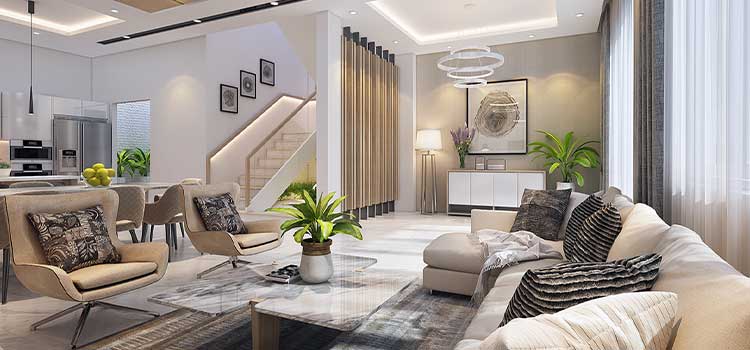 Storage services are another vital element of residential interior decoration, specifically in modern homes where clutter can conveniently build up. A well-designed home gives enough storage space while preserving a visually enticing and orderly setting. Developers incorporate storage space options such as integrated shelving, under-bed storage, and hidden areas to make sure that every product fits. Kitchens, specifically, call for cautious planning to stabilize aesthetic appeals with performance, integrating smart storage space options that make food preparation and dining much more efficient.
The procedure of developing a domestic space also entails choose materials that line up with the wanted aesthetic while satisfying sensible demands. Floor covering, counter tops, wall surface coatings, and textiles all contribute to the general feel of a home. Wood floors, for example, include warmth and class, while ceramic tiles offer durability and simple maintenance. The option of textiles for drapes, furniture, and rugs better enhances the texture and comfort of the space. Developers very carefully curate products to make sure that they not only look great but also withstand daily damage.
The effect of residential interior decoration surpasses just the physical space— it affects feelings, communications, and general lifestyle. A properly designed home fosters a feeling of belonging and comfort, making it a place where people can truly take a break and be themselves. Interior designers do not simply develop aesthetically pleasing rooms; they create environments that deal with the unique needs of each property owner. Whether it is a comfortable household home, a smooth modern apartment or condo, or an elegant estate, residential interior decoration has the power to transform any area right into a refuge that boosts the lives of its inhabitants.
The collaboration in between house owners and developers is essential in attaining a successful residential interior decoration. While developers bring expertise in aesthetic appeals, spatial planning, and technical details, property owners supply insight into their day-to-day regimens, choices, and desires. This partnership makes sure that the last style is both functional and deeply individual.
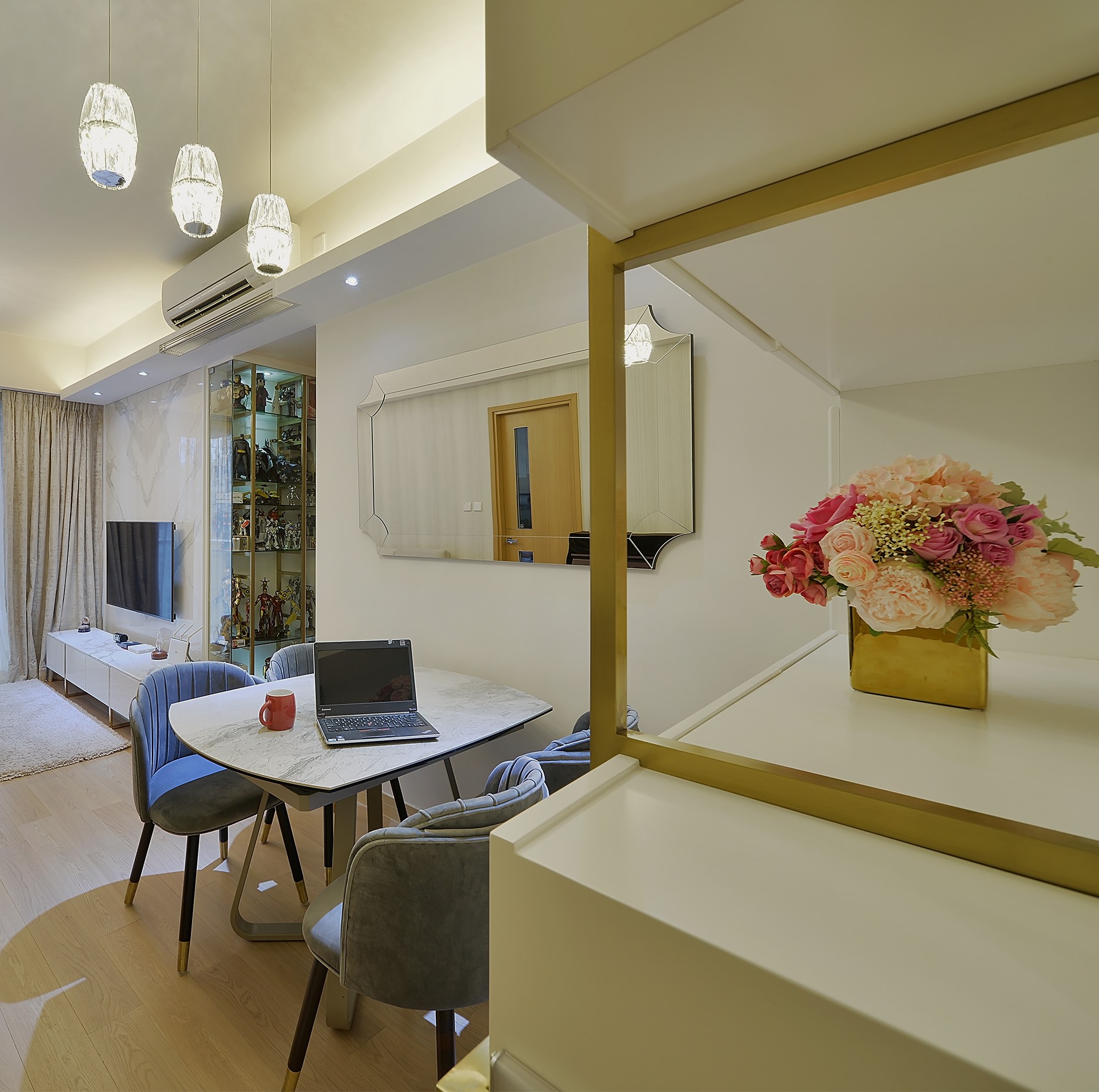
In the ever-evolving globe of interior design, fads may come and go, however the fundamental concepts of residential interior decoration remain the same: developing a space that is visually attractive, extremely useful, and deeply attached to individuals who call it home. The art and scientific research of residential interior design are not practically making a home look attractive; they are about crafting an environment that supports wellness, boosts way of living, and tells a story of individuality and individual expression.